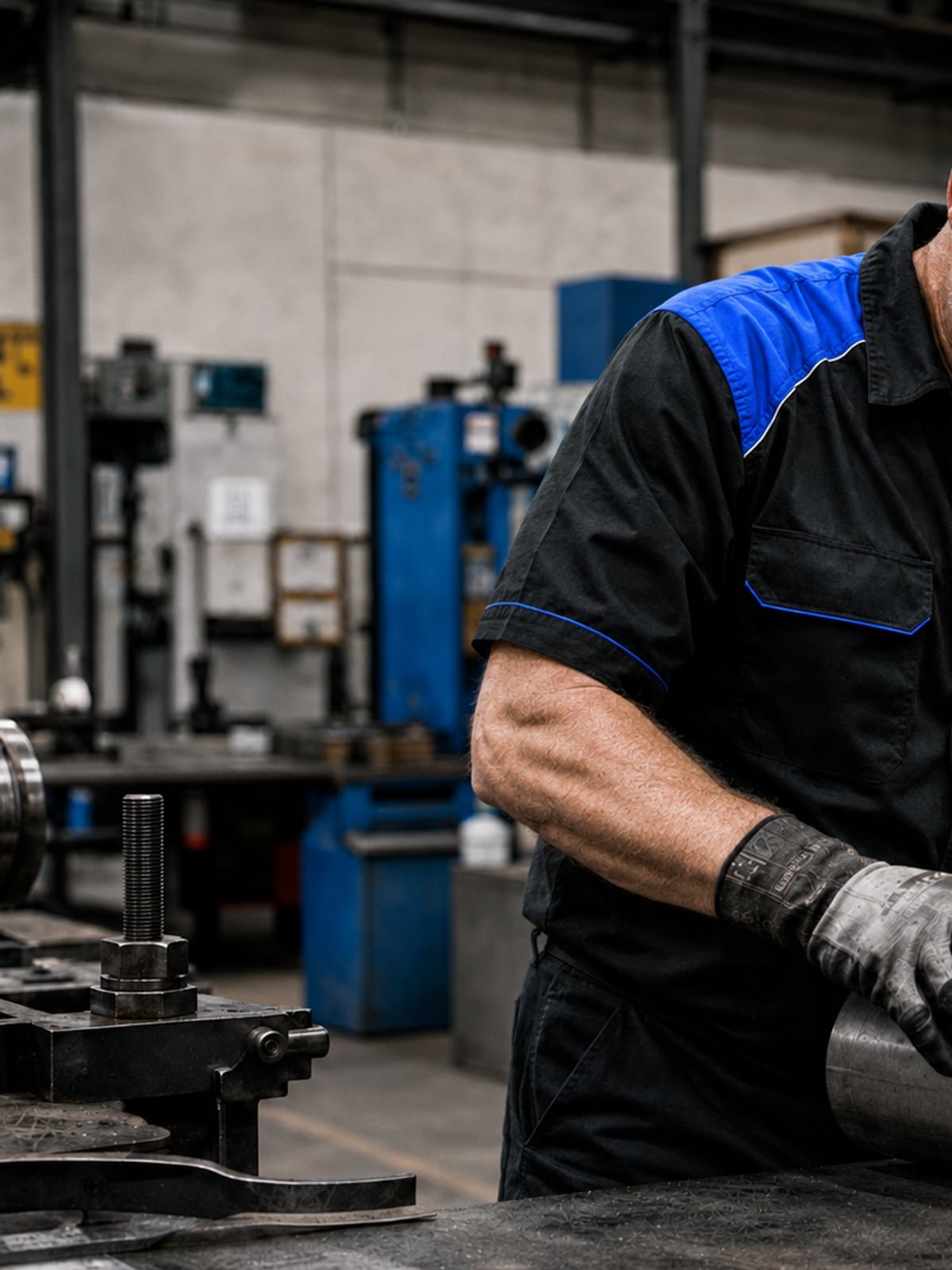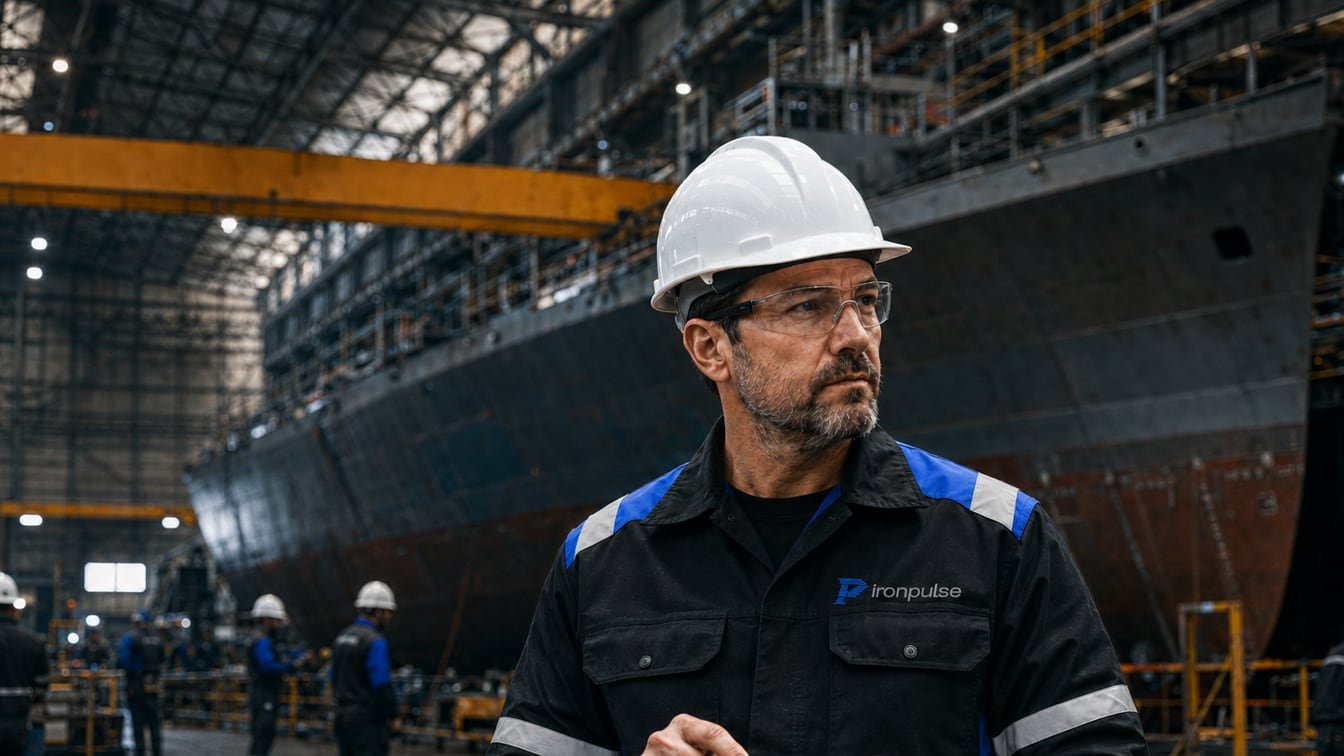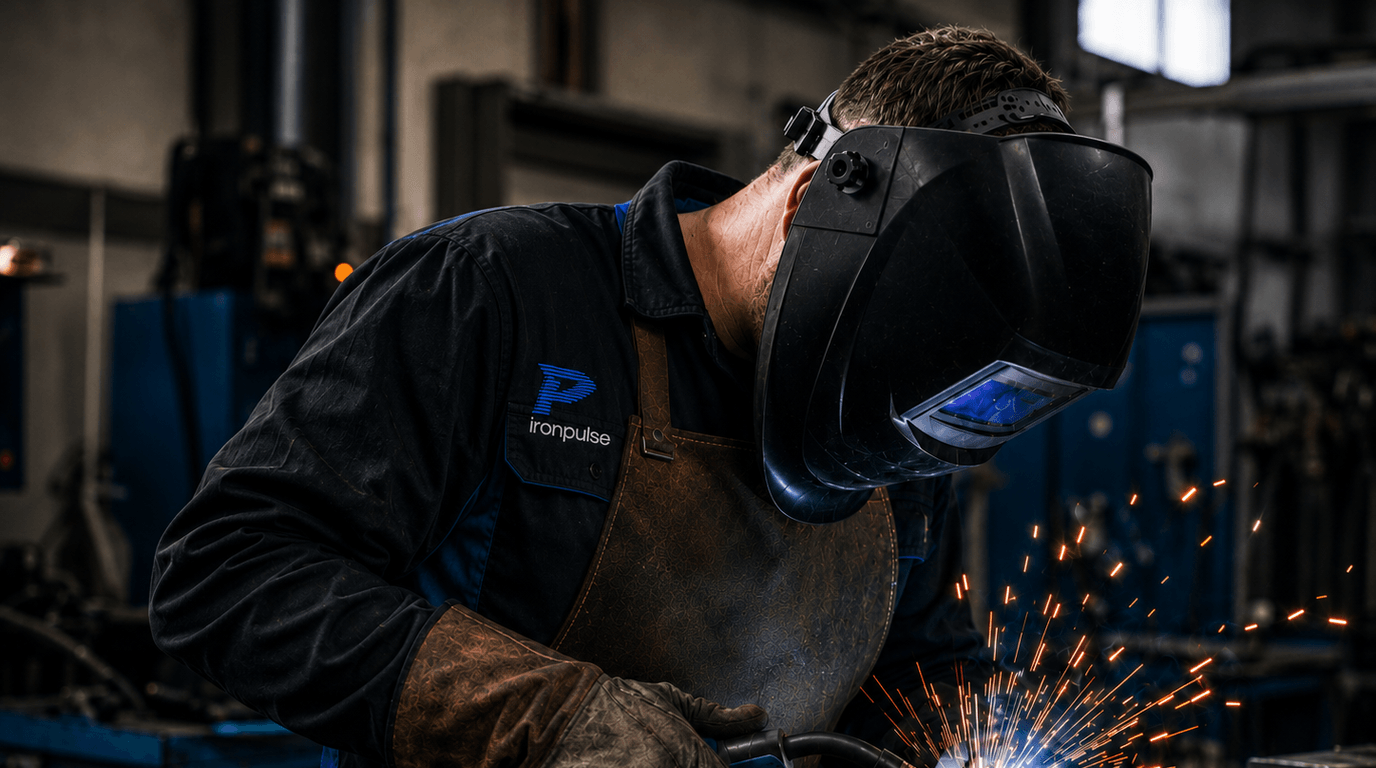
In a refinery shutdown in Cartagena, during maintenance on a petrochemical train in Tarragona or while erecting a chemical plant in Huelva, welding is where the integrity of the whole installation is decided. UNE-EN ISO 9606 is the standard that homologates welders so that point never fails.
What UNE-EN ISO 9606 actually homologates
UNE-EN ISO 9606-1 (steels; Part 5 covers titanium and its alloys) does not certify someone as a welder in the abstract: it validates their skill for a specific process, position, material and thickness range, proven in a practical test with radiography or destructive testing. Outside that range, the homologation does not apply.
Processes, positions and materials under exam
- Processes: 111 (stick), 135/136 (MIG/MAG), 141 (TIG) and 114 (flux-cored).
- Positions: 1G to 6G, with 6G —fixed pipe at 45°— the hardest and the one clients demand.
- Materials: carbon steel, 304/316 stainless, duplex and nickel alloys.
The moment the inspector asks for it
As soon as the welding inspector (VT level 2 per ISO 9712) or the quality coordinator steps on site, the first paper they demand is each welder's UNE-EN ISO 9606 certificate, alongside the marking EN 1090 requires on structural work. Without that backing, the run is rejected and must be redone: a cost overrun that almost always exceeds the job itself.
How to read the certificate without surprises
A valid certificate identifies the welder, the accredited body issuing it, the process, position, material, homologated thickness and validity —usually 3 years, with confirmation every 6 months that the welder keeps running that process. Be wary of documents with no verifiable number or issuing-body signature.
How Iron Pulse handles it
Before a professional heads to site, we validate every document one by one: certificate, WPS and WPQR are handed to the client in a traceable dossier. Meet our UNE-EN ISO 9606 homologated welders or request a quote for your next shutdown in Spain.